


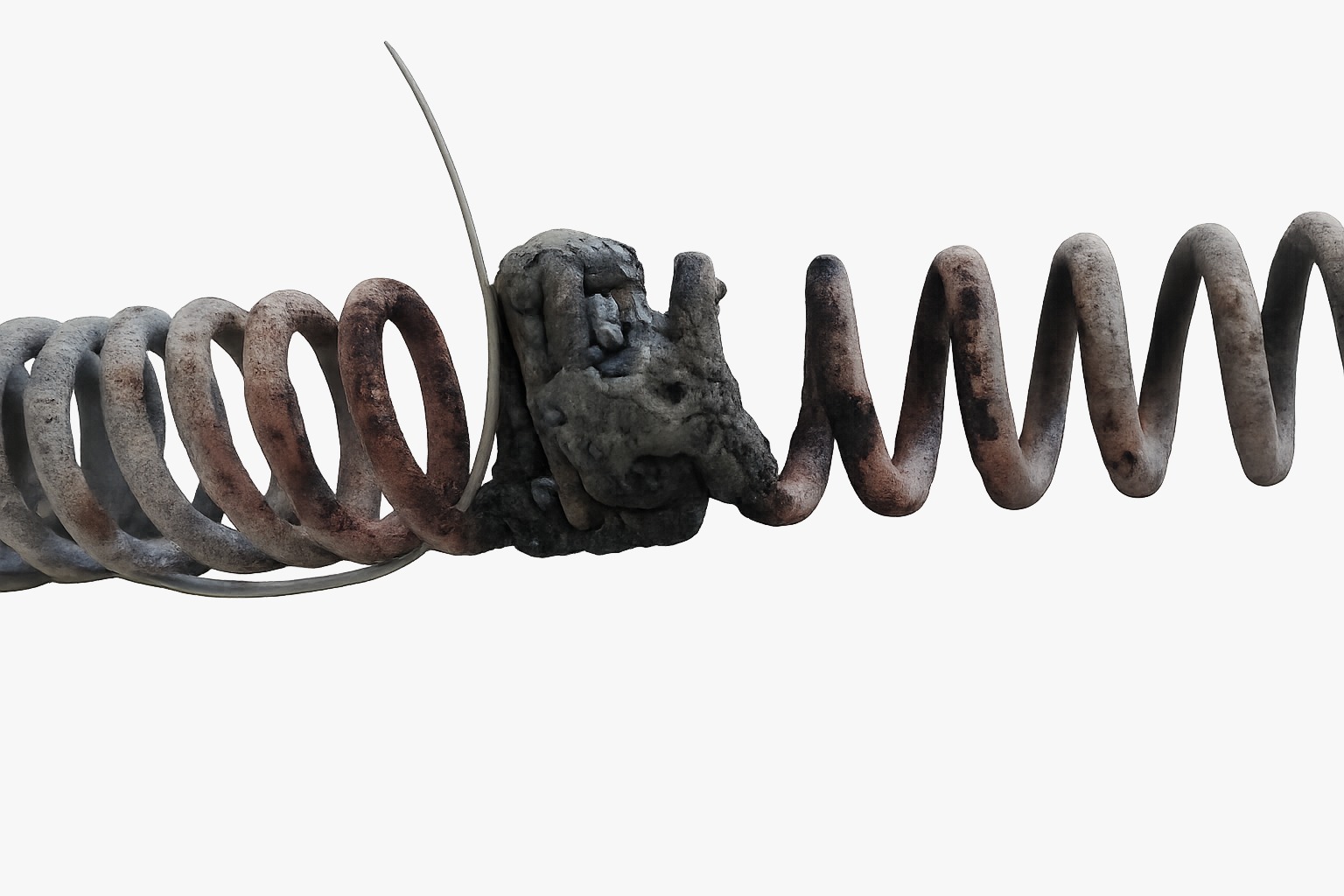
Why Elements Failed
Batch furnace (72 kW) was designed to operate at 1100°C. On paper, it looked fine. In practice, the heating elements failed prematurely.
Why?
Because heater design above 1000°C becomes extremely critical.
Especially when it is indirect and roof heating
What went wrong
Elements inside ceramic tubes heating from roof across the width.
The hot zone was divided into two sections, but the designer used a single-shank element.
The actual element temperature was ignored.
To achieve 1100°C furnace temperature, element temperature was reaching ~1300°C.
Standard drawn wire was used, not suitable for sustained high element temperature. At 1300 Deg C coil collapse due to low Creep strength
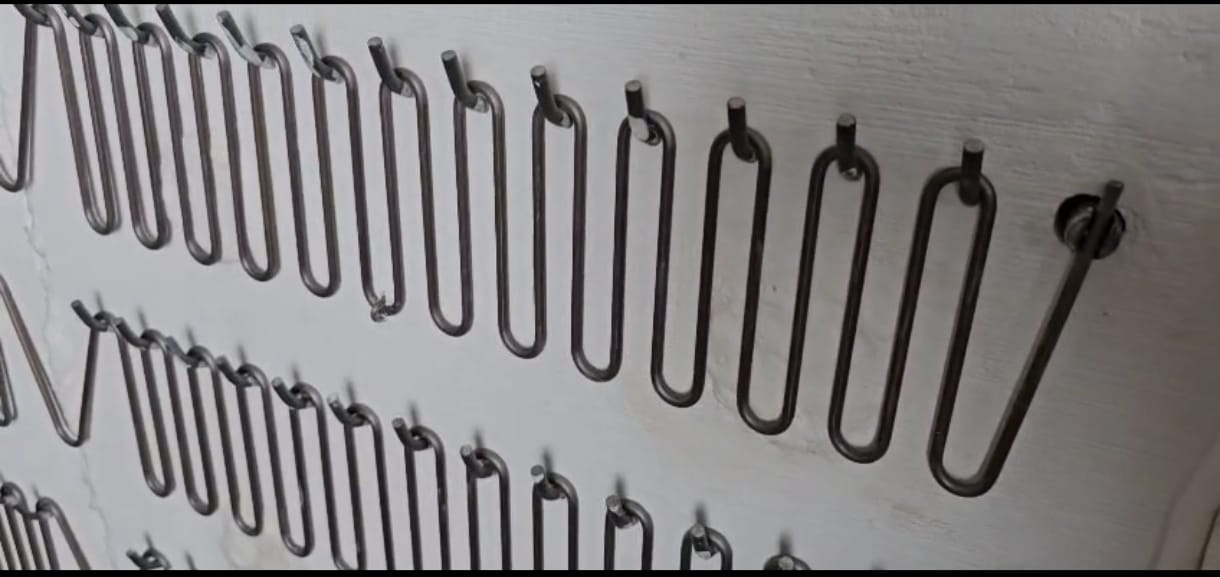
Fibrothal Success Case Study: Downtime Changed the Decision
“We Solve Hot Problems.” One of our long-term OEM customers (working with us for 30+ years) was using the traditional coil-on-ceramic tube heating system. Whenever I recommended Kanthal Fibrothal panels, the answer was always: “Good product, but too expensive.”
The Challenge
One of their plants Meheta Tubes is equipped with few furnaces, among them one of the furnace is used for Copper & copper Nickel alloy rod annealing. The tubes of various diameter ranging from 25 mm to 75 mm
The company is mainly servicing the automotive and general engineering industry Meheta Tubes having Gas supply as Fuel for these furnaces but using Electric heating for this furnace to get better uniformity in rods used for extrusion.
Short life elements caused production problems
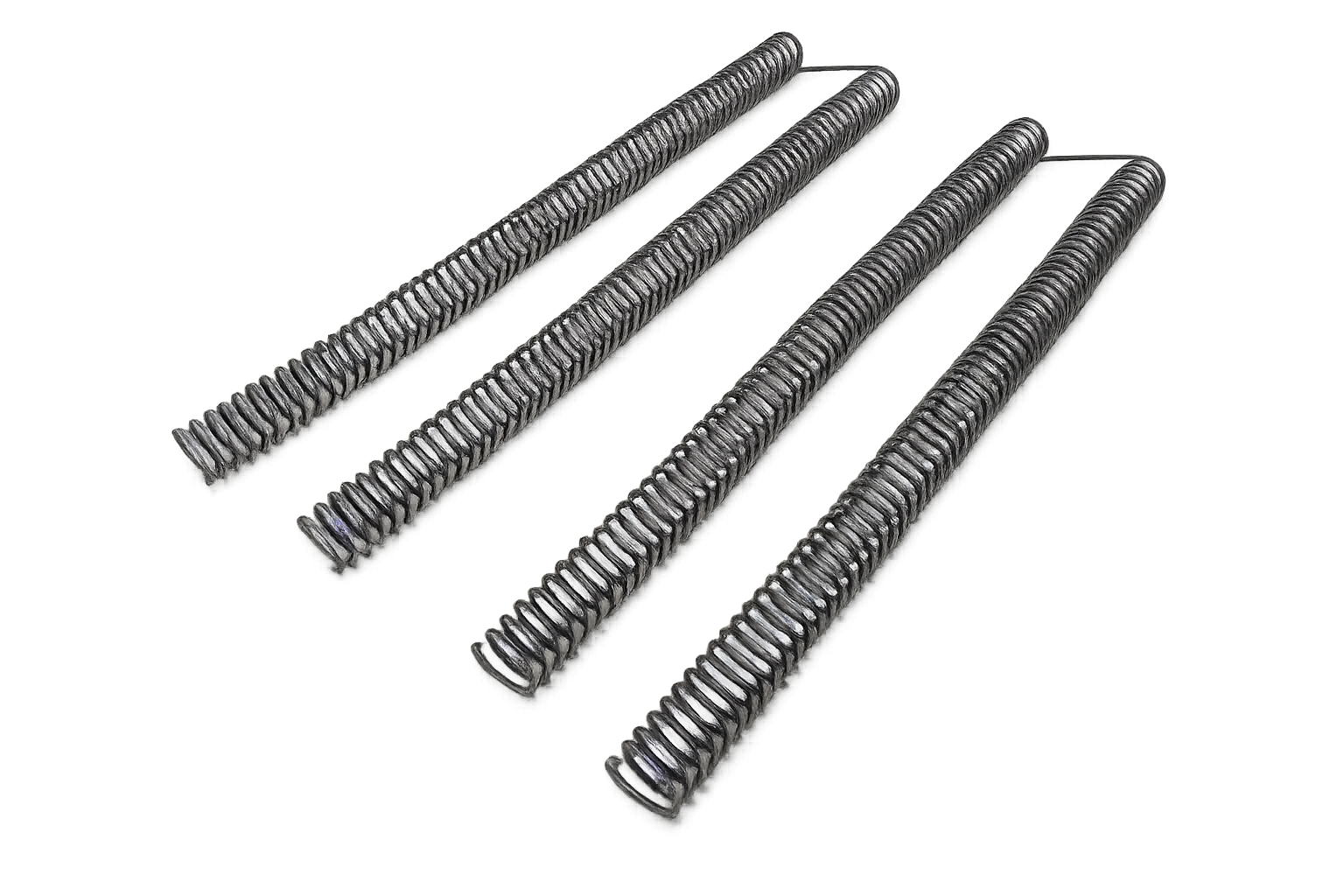
The previous heating system used in this furnace with Kanthal A1 spiral elements in grooved ceramic did not work satisfactory with frequest break-downs and short life. The production process was consequently difficult to plan because of numerous shut-downs to cool down the furnace and change elements.