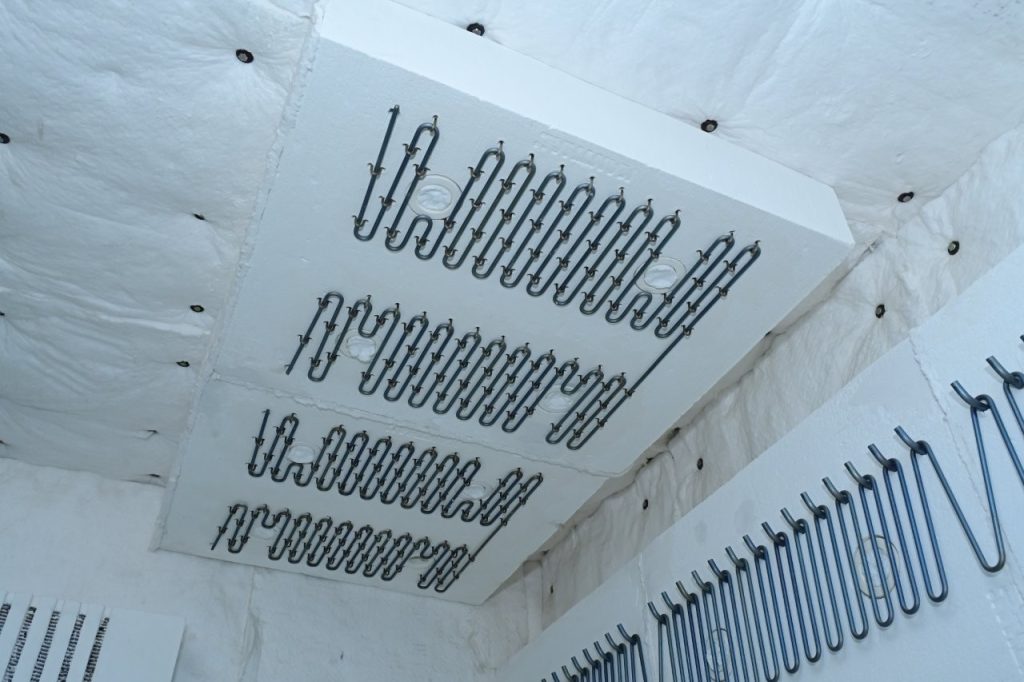
A furnace heating system is one of the most critical components in industrial thermal processing operations. Whether used for heat treatment, ceramics, metallurgy, or manufacturing applications, consistent performance is essential for maintaining product quality and operational efficiency.
However, furnace failures rarely occur without warning. In most cases, the system exhibits several symptoms before a major breakdown takes place. Recognizing these early signs can help plant operators avoid costly downtime, emergency repairs, and production disruptions.
This article highlights five common warning signs that indicate your furnace may require inspection, maintenance, or an upgrade to its high temperature furnace heating elements.
- Uneven Temperature Distribution
One of the earliest indicators of furnace heating system deterioration is inconsistent temperature distribution throughout the heating chamber.
Common signs include:
- Hot and cold spots within the furnace
- Variations in product quality
- Inconsistent heating cycles
- Difficulty maintaining set temperatures
Uneven heating can result from aging heating elements, damaged insulation, airflow issues, or improper furnace design. If left unresolved, it can negatively impact production consistency and increase scrap rates.
Why It Matters
Temperature uniformity is essential for achieving repeatable processing results. Even minor variations can affect product integrity and overall operational efficiency.
- Frequent Heater Element Burnout
Repeated replacement of heating elements is often a symptom of a larger issue rather than a normal maintenance requirement.
Potential causes include:
- Overheating conditions
- Voltage fluctuations
- Poor heat distribution
- Incorrect element sizing
- Furnace insulation degradation
When high temperature furnace heating elements fail repeatedly, maintenance costs rise significantly while production reliability decreases.
Why It Matters
Instead of continually replacing burned-out elements, it is important to identify the root cause of the failures and implement a long-term solution.
- Coil Sagging or Element Deformation
Heating coils and elements are designed to maintain their shape under operating conditions. Over time, excessive thermal stress can cause sagging, warping, or deformation.
Typical indicators include:
- Visible bending of heating coils
- Distorted element geometry
- Reduced heating efficiency
- Uneven thermal output
These conditions often occur when furnace temperatures exceed design limits or when heat is not distributed evenly throughout the system.
Why It Matters
Deformed heating elements can lead to hot spots, reduced lifespan, and increased risk of unexpected furnace shutdowns.
- Increasing Power Consumption
A gradual increase in energy usage is another warning sign that your furnace heating system may be losing efficiency.
Common reasons include:
- Aging heating elements
- Damaged refractory materials
- Heat loss through insulation
- Reduced thermal transfer efficiency
Many facilities notice rising utility costs long before equipment failure becomes apparent.
Why It Matters
Monitoring energy consumption trends can help identify performance issues early and prevent unnecessary operating expenses.
- Refractory Cracks Near Heating Zones
The refractory lining plays a vital role in retaining heat and protecting furnace components.
Warning signs include:
- Visible cracks around heating zones
- Material deterioration
- Heat leakage
- Uneven chamber temperatures
When refractory damage occurs near heating elements, thermal stresses increase and component life can be significantly reduced.
Why It Matters
Ignoring refractory issues can accelerate wear on heating elements and create larger maintenance challenges over time.
The Importance of High Temperature Furnace Heating Elements
Modern industrial furnaces increasingly rely on advanced high temperature furnace heating elements to improve performance and reliability.
Benefits include:
- Better temperature uniformity
- Enhanced thermal stability
- Improved energy efficiency
- Reduced maintenance requirements
- Longer operational life
Technologies such as Fibrothal and other advanced heating systems are designed to deliver consistent heat output while minimizing operational disruptions.
When Should You Schedule a Furnace Evaluation?
If your furnace exhibits one or more of these warning signs, it is advisable to conduct a comprehensive technical assessment.
A professional evaluation can help identify:
- Root causes of element failures
- Insulation and refractory issues
- Opportunities for energy savings
- Heating system upgrade requirements
- Preventive maintenance needs
Addressing problems early can significantly reduce downtime risks and extend the lifespan of your furnace equipment.
Conclusion
Industrial furnace failures are rarely unexpected. Symptoms such as uneven temperature distribution, frequent heater burnout, coil deformation, rising power consumption, and refractory cracking often indicate underlying issues within the furnace heating system.
By identifying these warning signs early and evaluating the condition of your high temperature furnace heating elements, you can improve reliability, reduce maintenance costs, and prevent costly production interruptions.
Regular inspections and proactive maintenance remain the most effective strategies for ensuring long-term furnace performance and operational efficiency.