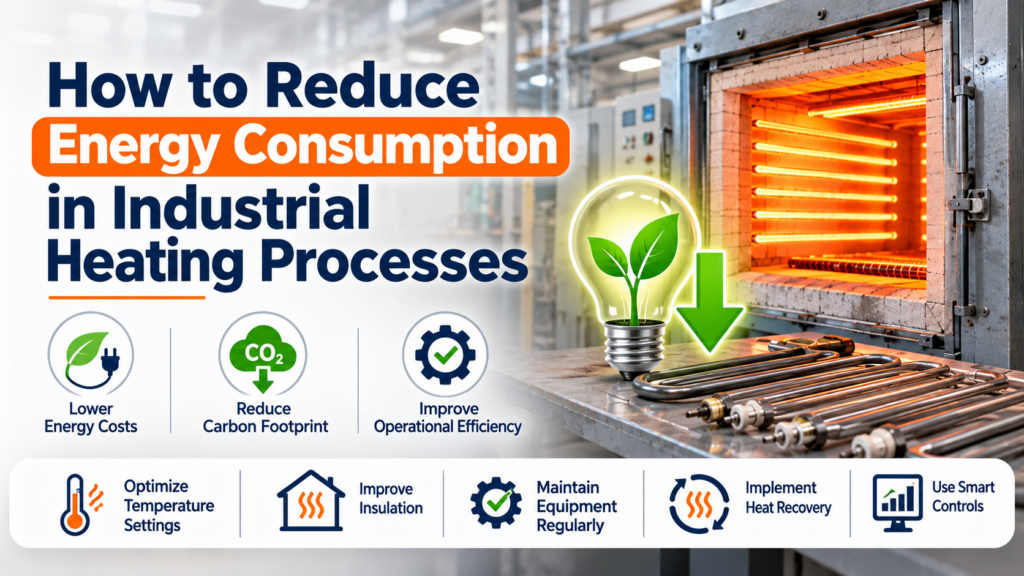
Industrial heating plays an important role in manufacturing, metal processing, food production, and other industries. However, heating equipment can use large amounts of energy, driving up operating costs. Poor maintenance, heat loss, and incorrect temperature settings can increase these costs.
Businesses can take simple steps to reduce energy consumption in industrial heating without affecting production quality. The right equipment, regular maintenance, and better operating practices can help save energy and keep processes running smoothly. This also supports better Industrial Heating Energy Efficiency over time.
1. Maintain Heating Equipment Regularly
Regular maintenance helps industrial heating systems work properly. Dust, damaged parts, and worn-out components can affect performance and increase energy use.
Some useful maintenance steps include:
- Clean burners and heating elements regularly.
- Check electrical connections and fuel lines.
- Inspect fans, motors, and other moving parts.
- Replace damaged seals and worn components.
- Check temperature sensors and control systems.
A well-maintained system uses energy more effectively and reduces the chances of unexpected breakdowns.
2. Use Proper Insulation to Prevent Heat Loss
Poor insulation allows heat to escape from furnaces, ovens, pipes, and heating chambers. As a result, the equipment needs more energy to maintain the required temperature.
Good insulation helps retain heat and reduces unnecessary energy use. Businesses should inspect insulation regularly and replace damaged materials when needed.
This is a practical way to reduce energy consumption in industrial heating while keeping temperatures stable during production.
3. Install Automated Temperature Controls
Manual temperature settings can cause overheating or unnecessary heating when production doesn’t require it. Automated temperature controls help maintain the required heat levels throughout the process.
These systems can:
- Control temperature based on production needs.
- Prevent unnecessary overheating.
- Maintain consistent heating conditions.
- Reduce energy waste during idle periods.
Better temperature control also helps maintain product quality.
4. Recover and Reuse Waste Heat
Industrial heating processes often release unused heat through exhaust gases and ventilation systems. Instead of allowing this heat to escape, businesses can recover and reuse it.
Heat exchangers and other heat recovery systems can transfer waste heat to incoming air, water, or other processes. This reduces the need for additional heating and lowers overall energy use.
5. Choose Energy-Efficient Heating Equipment
Older heating equipment may consume more energy due to outdated technology and poor performance. Replacing it with modern equipment can help businesses manage energy use more effectively.
When selecting industrial heating equipment, consider:
- Required operating temperature.
- Heating capacity and production volume.
- Energy source and running costs.
- Temperature control features.
- Maintenance requirements.
The right equipment supports better Industrial Heating Energy Efficiency and reliable daily operations.
6. Check for Air Leaks and Heat Loss
Air leaks around furnace doors, oven openings, ducts, and pipe connections can affect heating performance. They allow hot air to escape and make the system work harder.
Regular inspections can help identify these problems. Repairing loose fittings, replacing damaged seals, and closing unused openings can prevent unnecessary heat loss.
7. Monitor Energy Usage
Tracking energy consumption helps businesses understand how much power or fuel their heating equipment uses. It also makes it easier to identify sudden increases in energy use.
Energy monitoring systems can help operators:
- Track daily energy consumption.
- Identify equipment that uses too much energy.
- Compare energy use across production shifts.
- Plan maintenance based on system performance.
These checks help businesses make better decisions and reduce energy consumption in industrial heating over time.
How Asanjo Heating Systems Supports Better Energy Use
Asanjo Heating Systems understands the importance of reliable and energy-conscious heating solutions for industrial operations. The right heating setup can help businesses maintain required temperatures, manage energy use, and support consistent production.
By focusing on suitable heating equipment, proper system operation, and regular maintenance, businesses can improve industrial heating energy efficiency.
Conclusion
Reducing energy use in industrial heating requires regular attention to equipment, temperature settings, insulation, and daily operations. Small changes, such as fixing air leaks, recovering waste heat, and monitoring energy consumption, can make a real difference to operating costs.
Businesses that focus on Industrial Heating Energy Efficiency can reduce energy waste, maintain product quality, and support smoother production. With suitable heating solutions from Asanjo Heating Systems, industries can take practical steps towards more efficient and reliable heating operations.